Trees
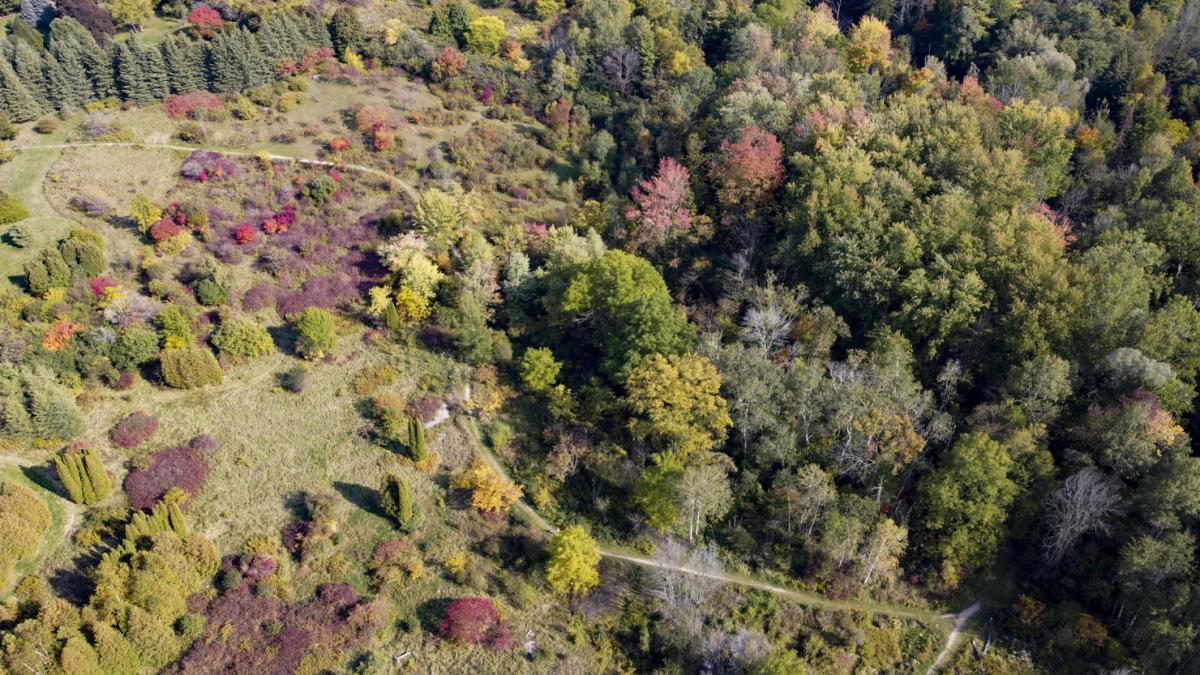
Photo by Richelle Forsey
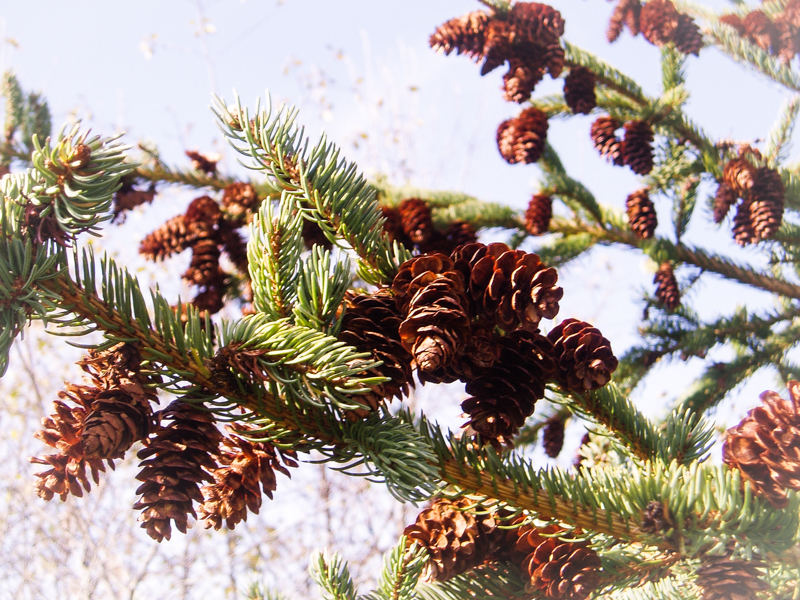
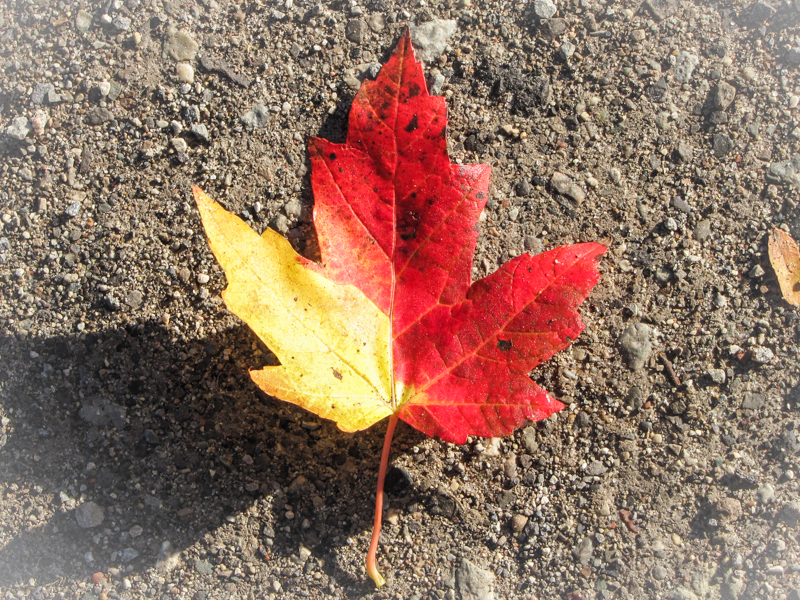
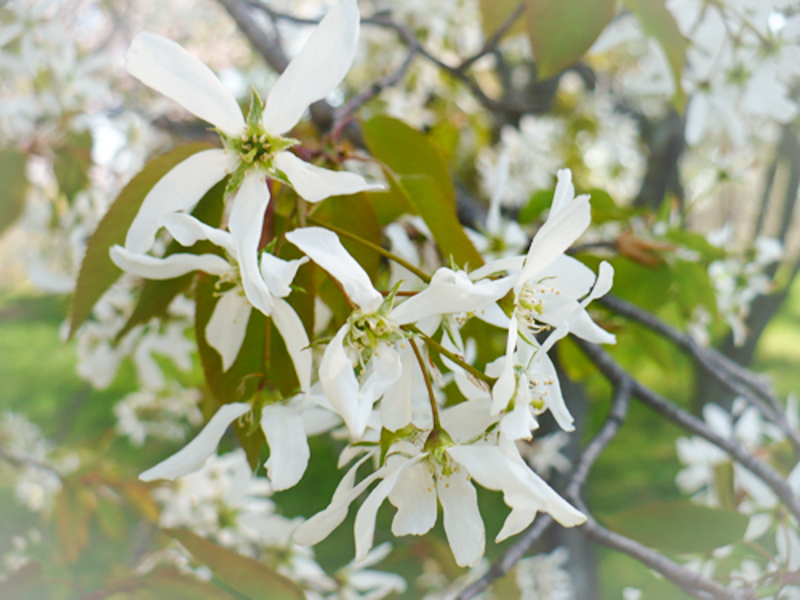
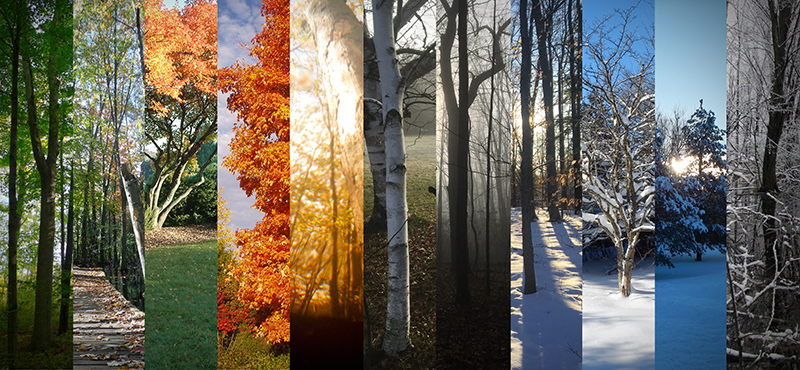
The Arboretum is home to an extensive and diverse collection of trees and other woody plants. These include species growing naturally within our forested areas, plants intended to naturalize across the landscape, and distinctive specimen plants from throughout the Northern Hemisphere showcased in our gardens and collections. Each season offers its own highlights: spring brings the vibrant blooms of roses, lilacs, serviceberries, and tulip trees; summer offers cool shade beneath specimen trees in the Park in The Garden, creating an ideal setting for picnics; autumn showcases stunning displays of orange, yellow, red, and purple foliage from sumac, maples, and oaks; and winter reveals the striking, stately forms of our many evergreen species set against the snow.
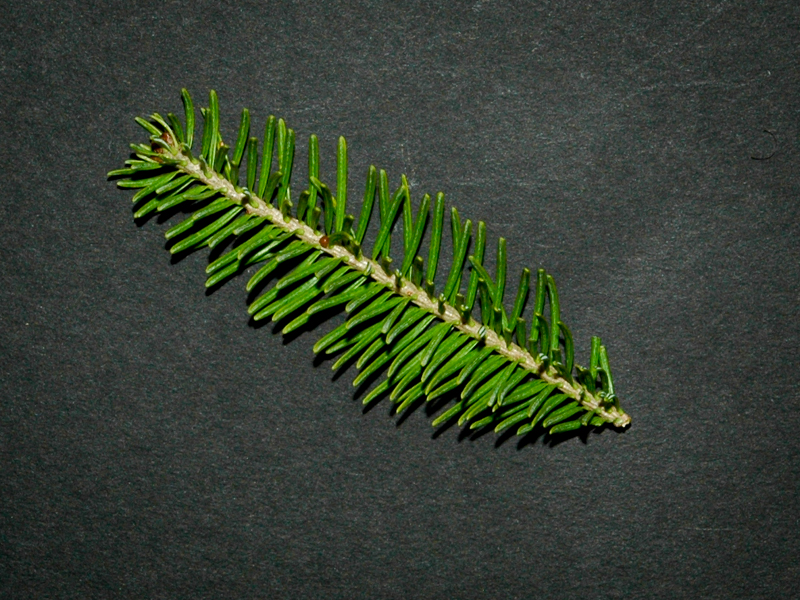
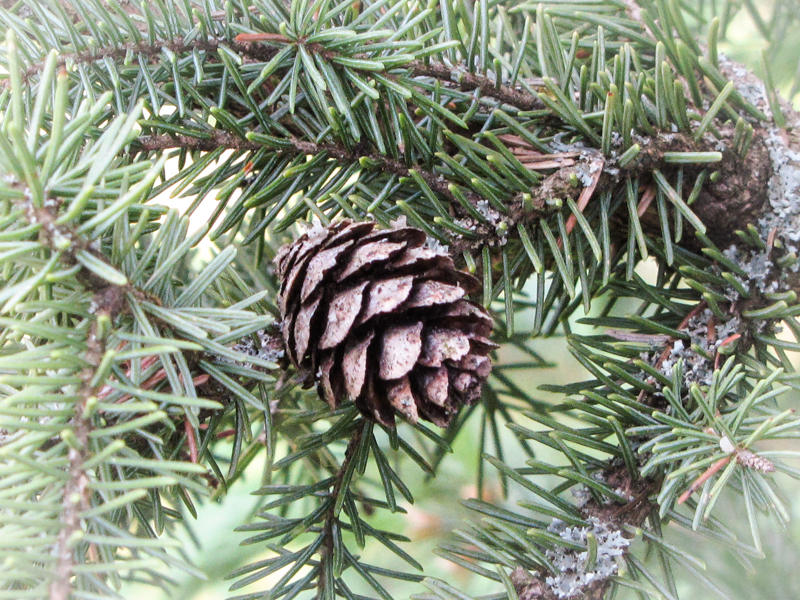
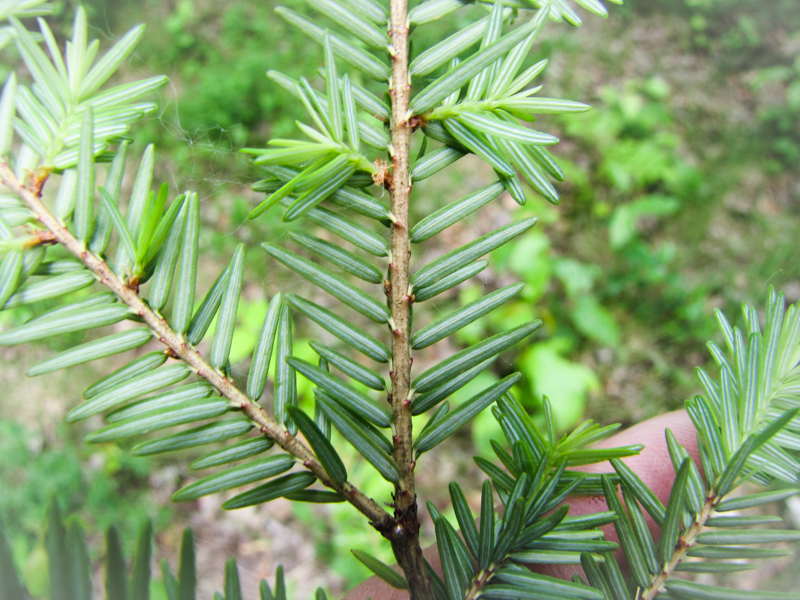
CONIFERS
MAPLES
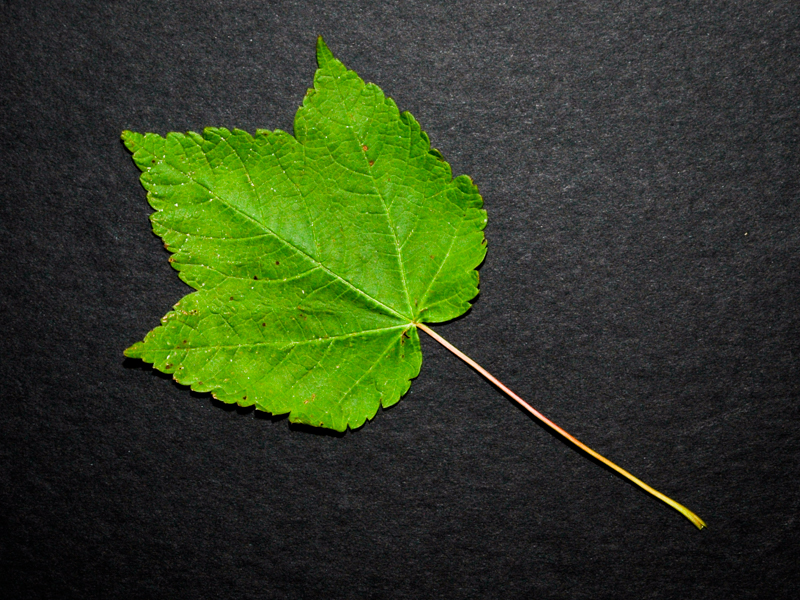
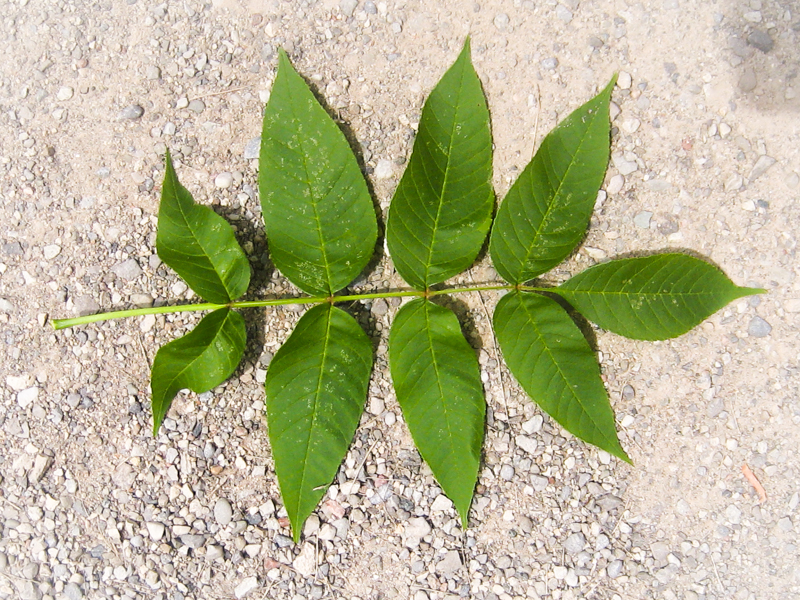
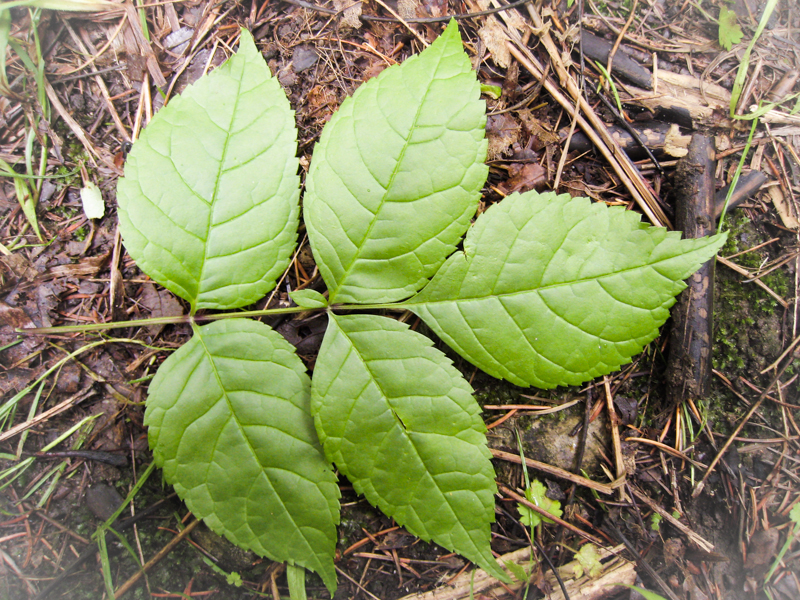
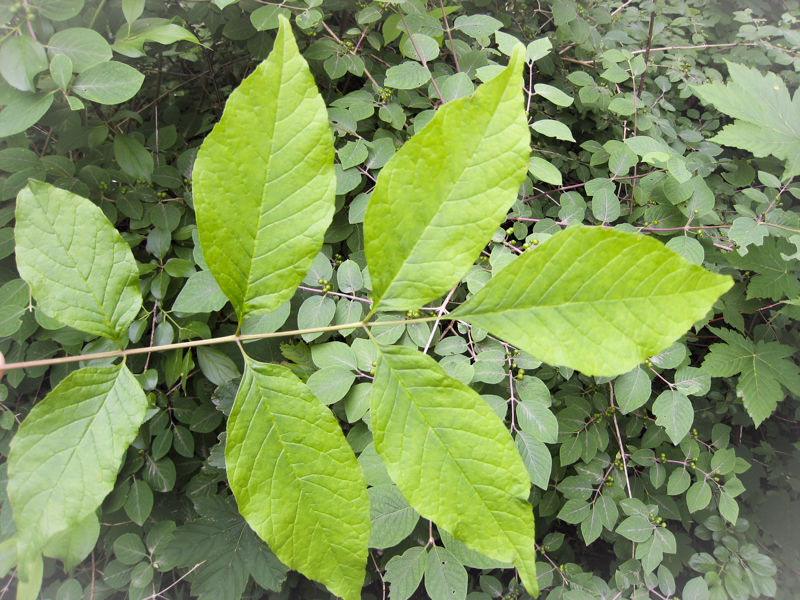

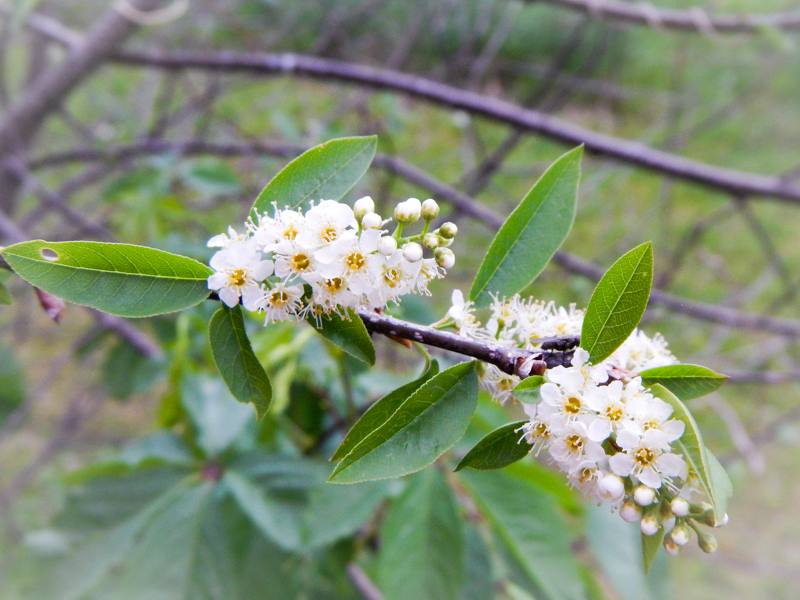
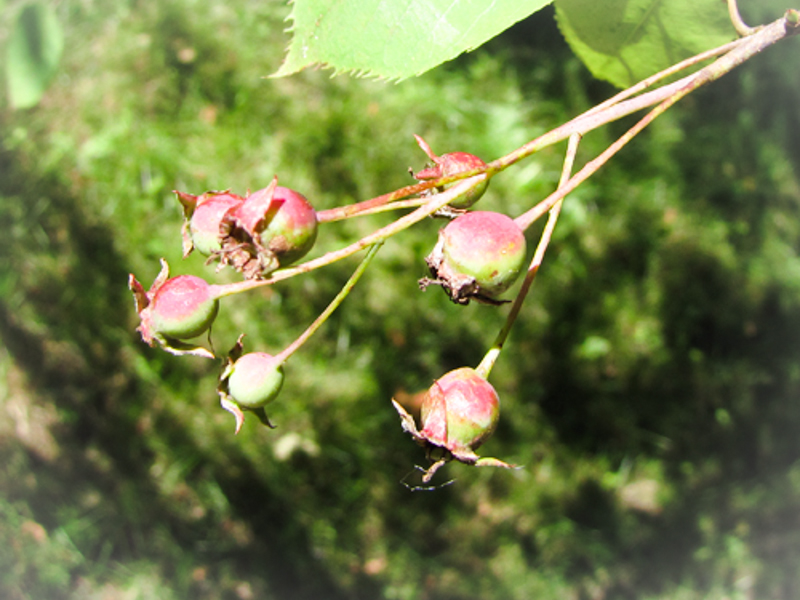
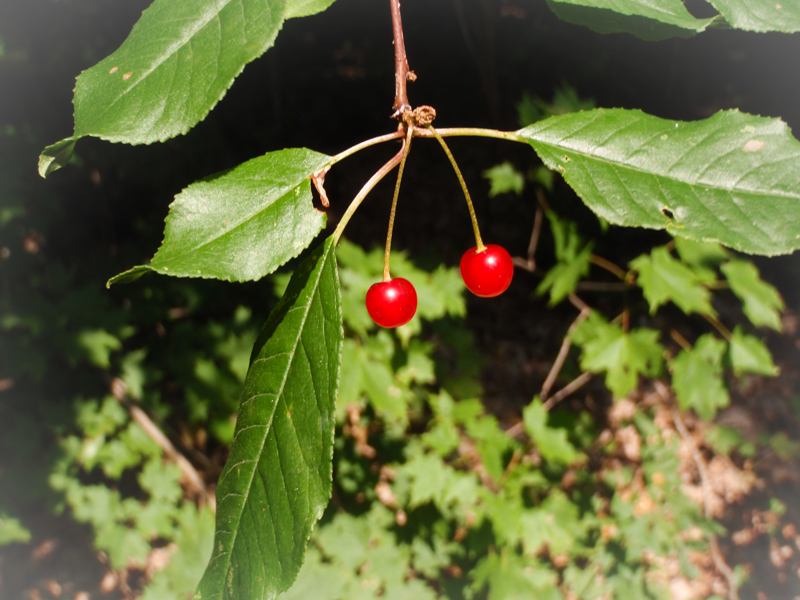
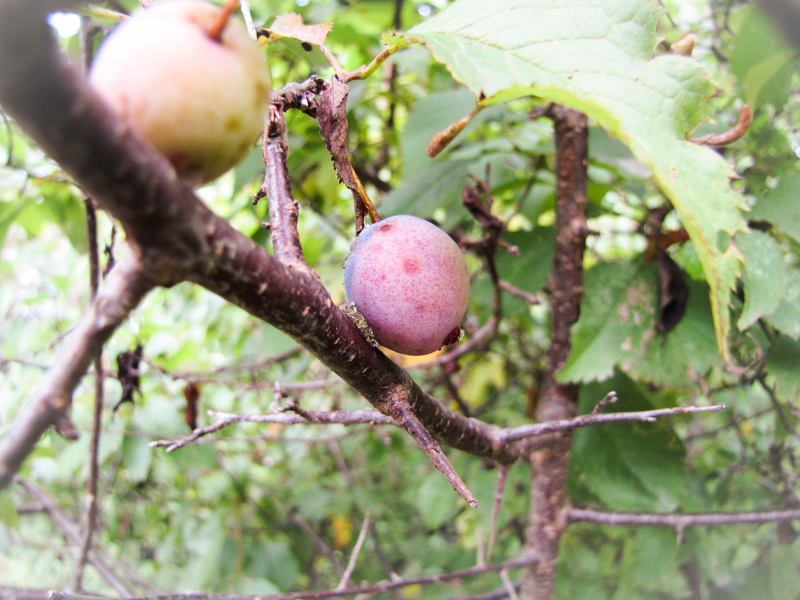
CHERRIES and SERVICEBERRIES
OTHER SPECIES
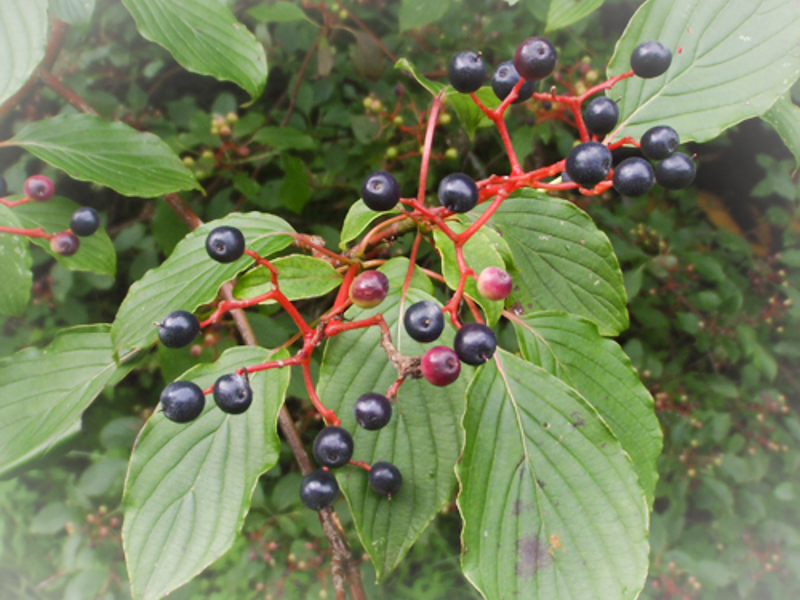
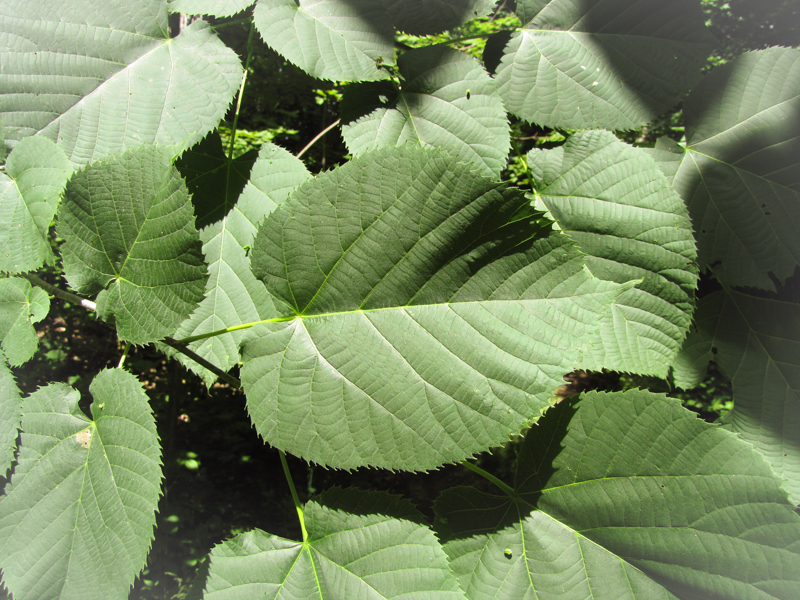
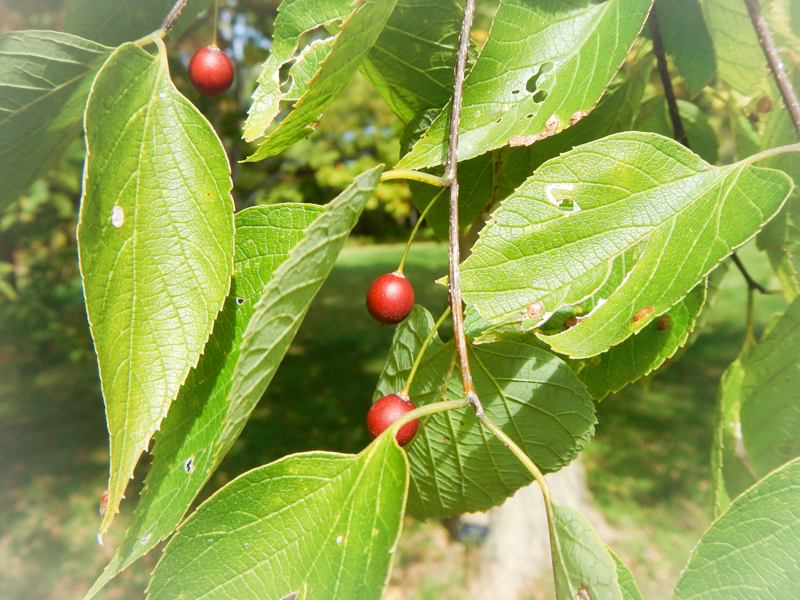
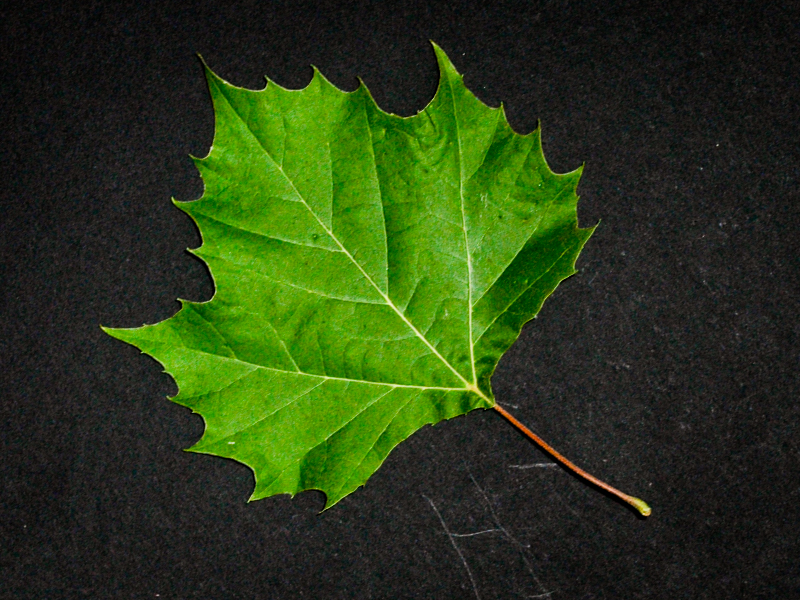
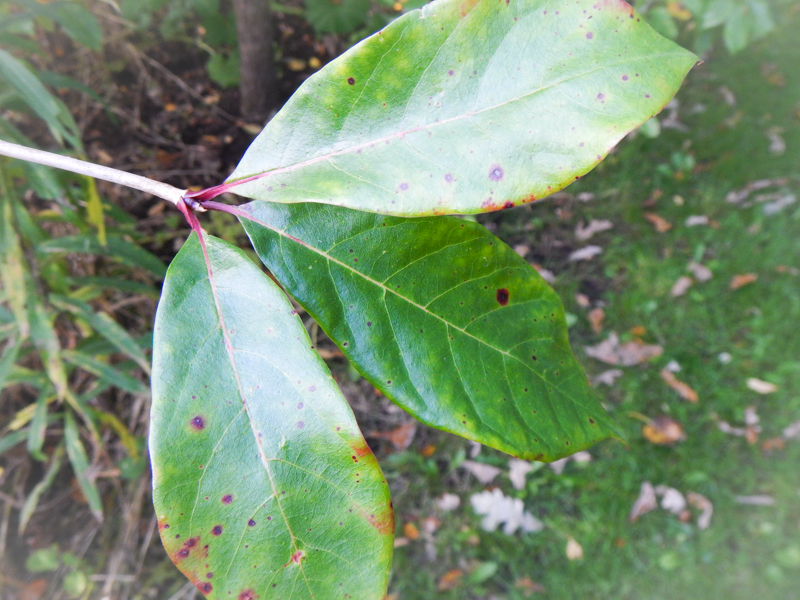
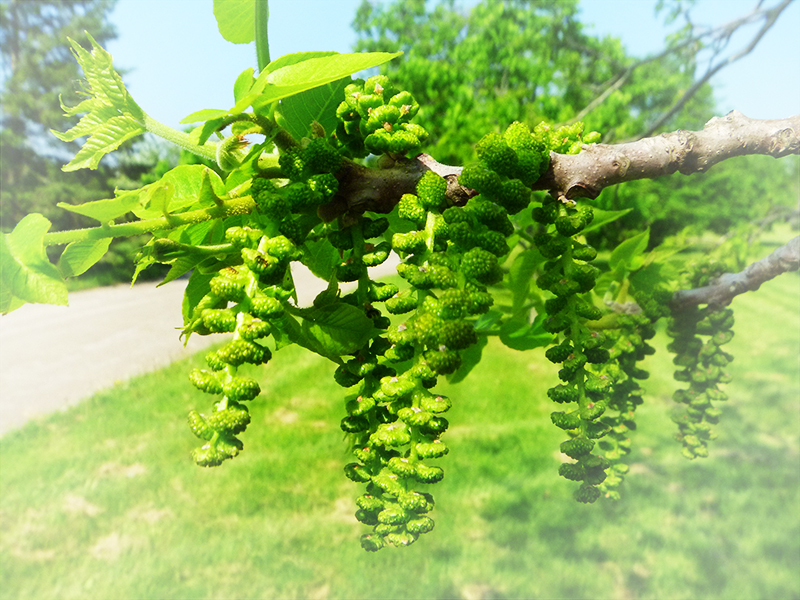

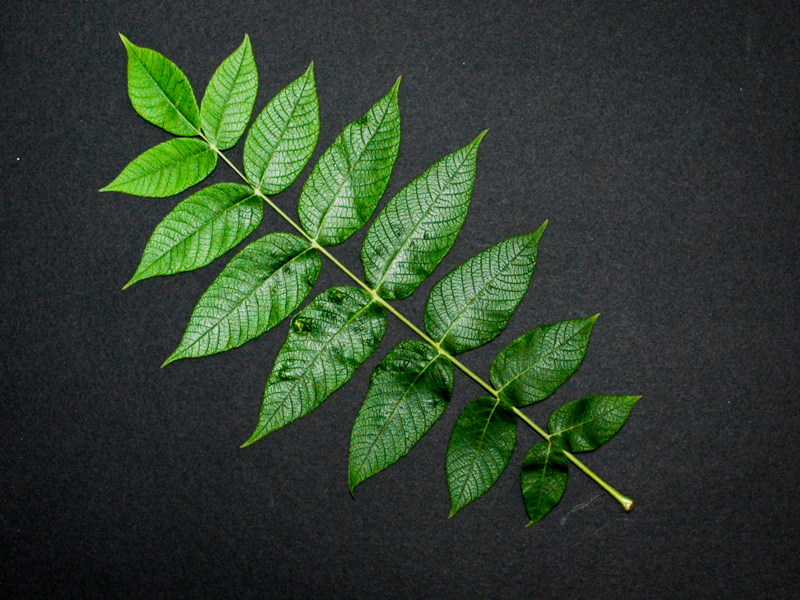
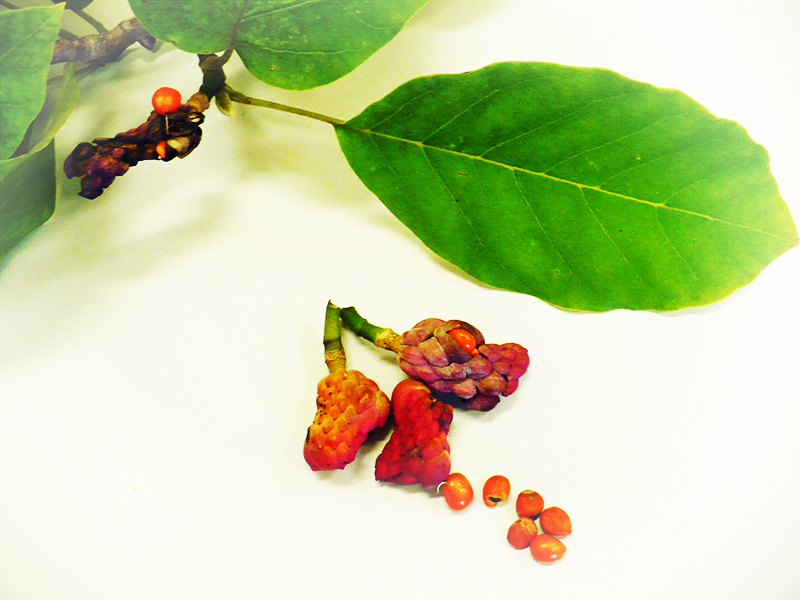
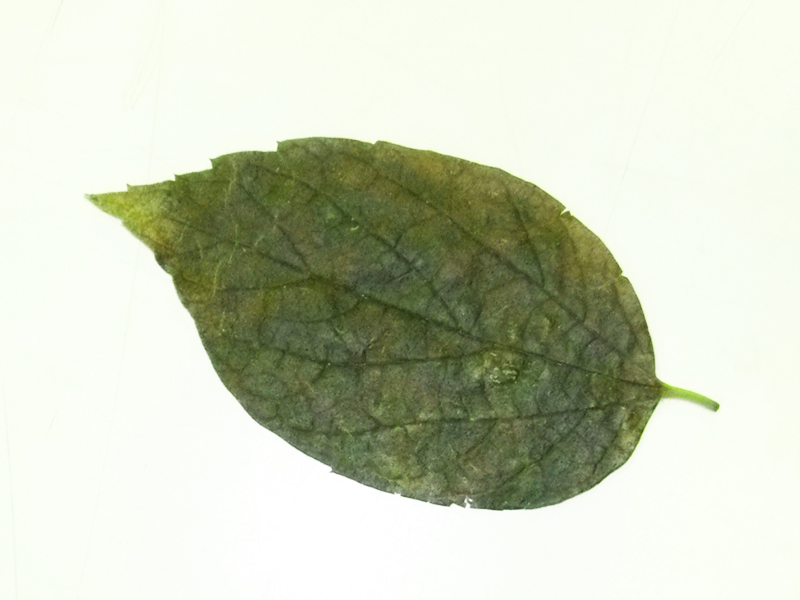
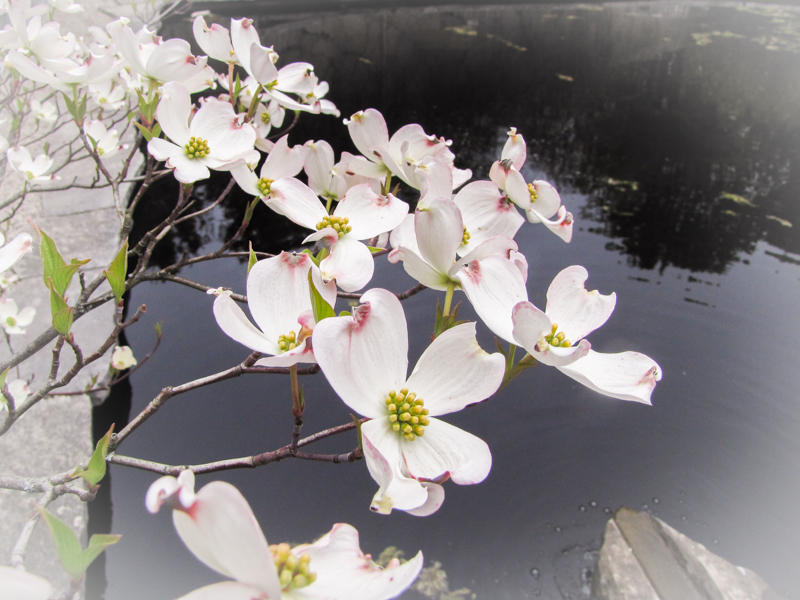
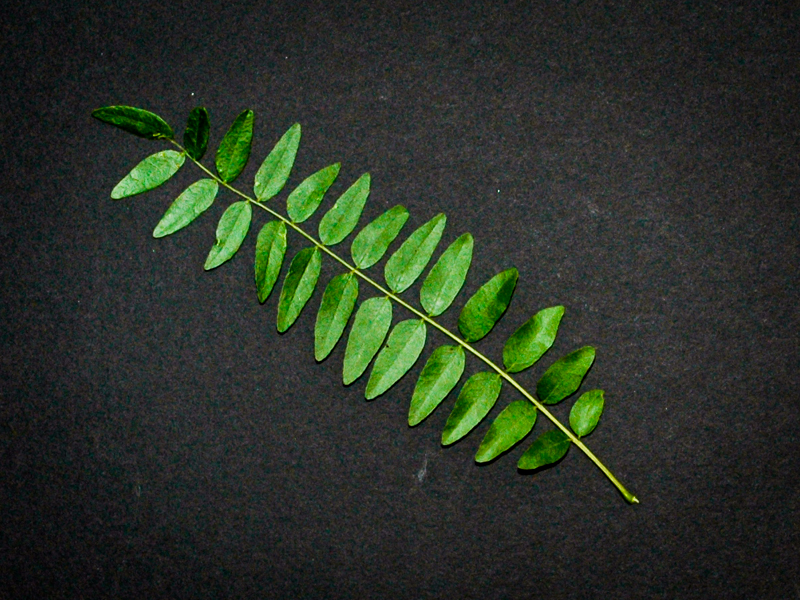
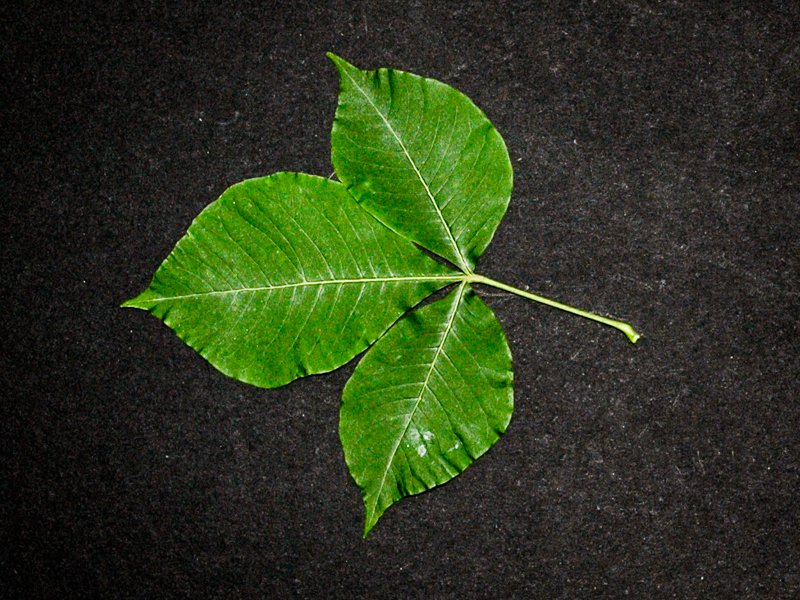
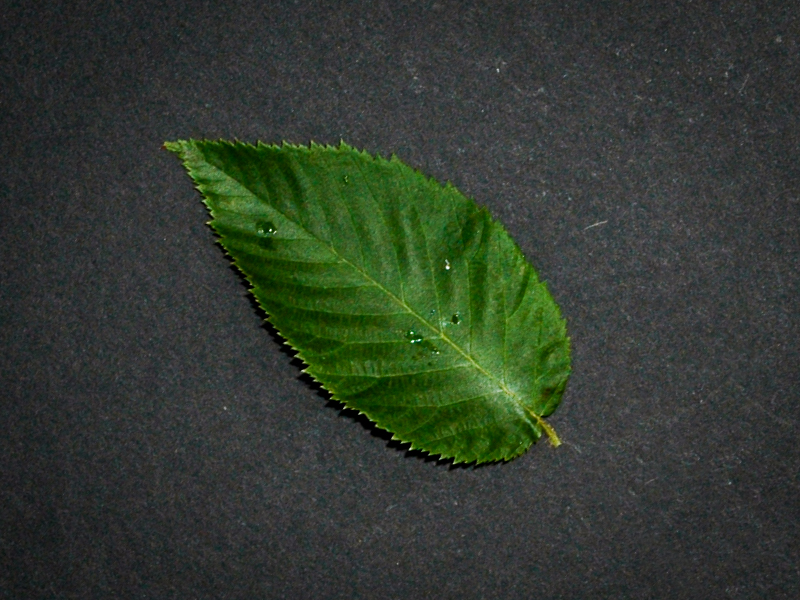
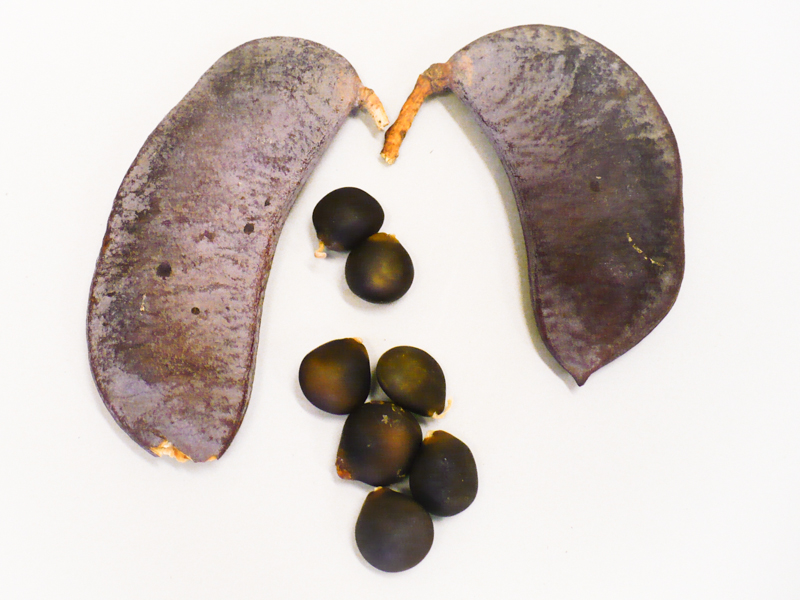
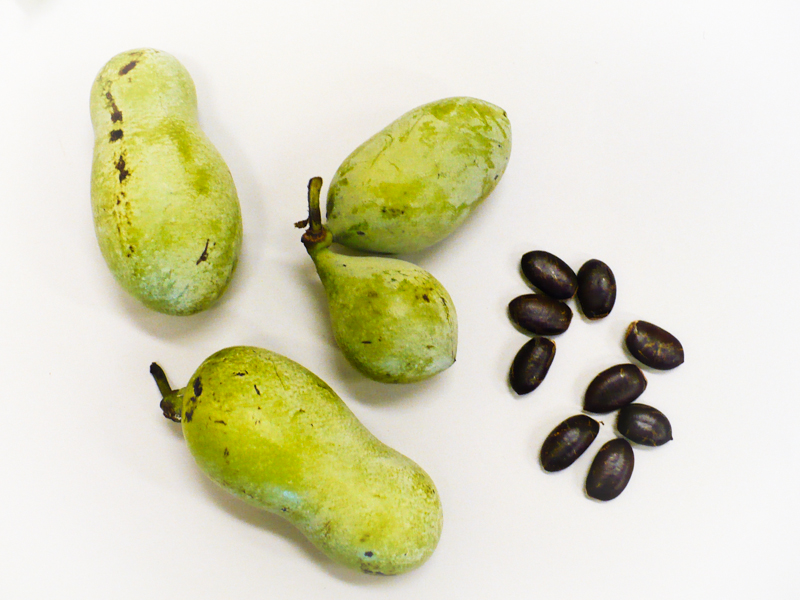
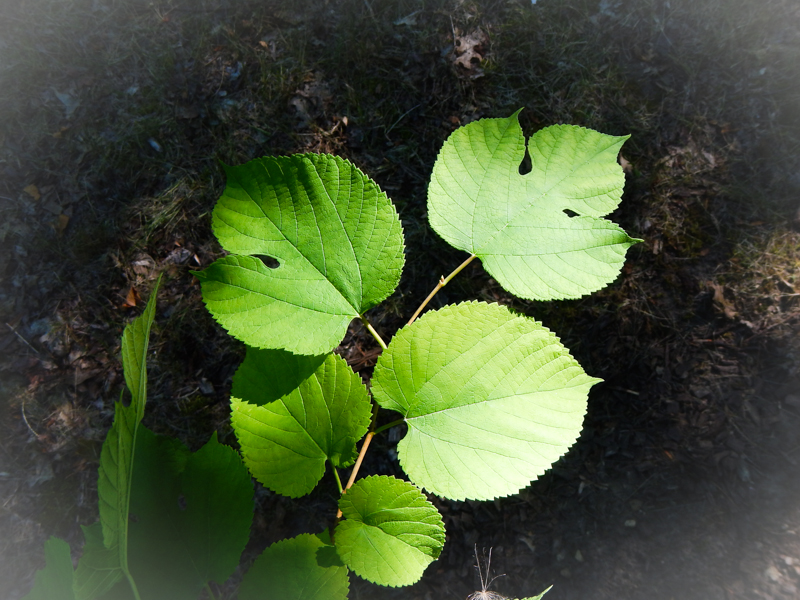
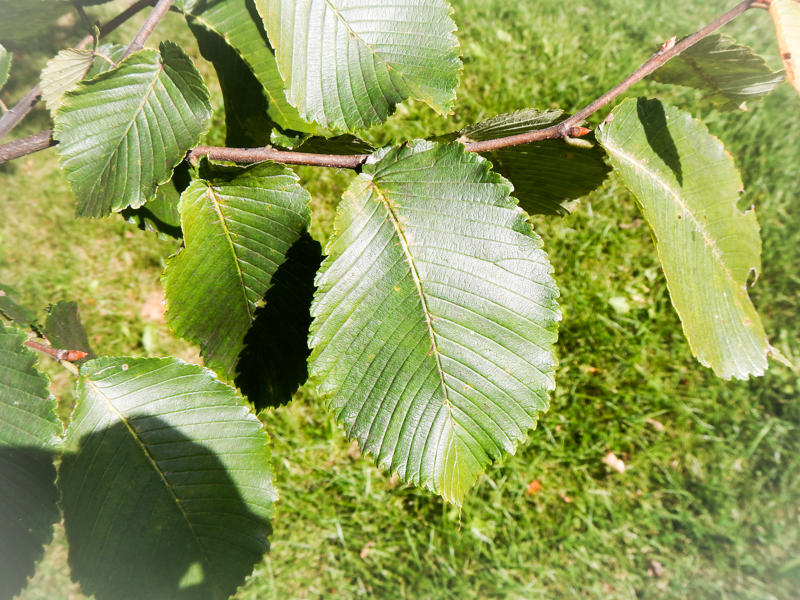

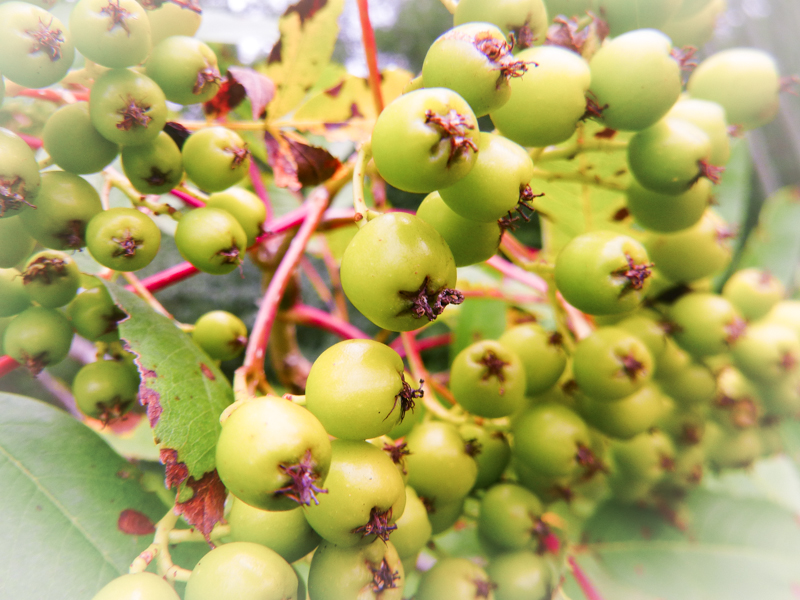
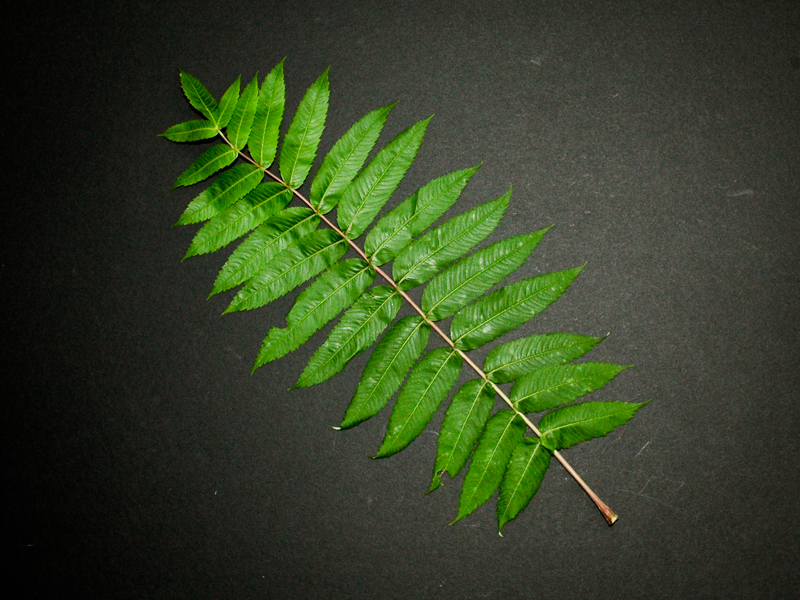
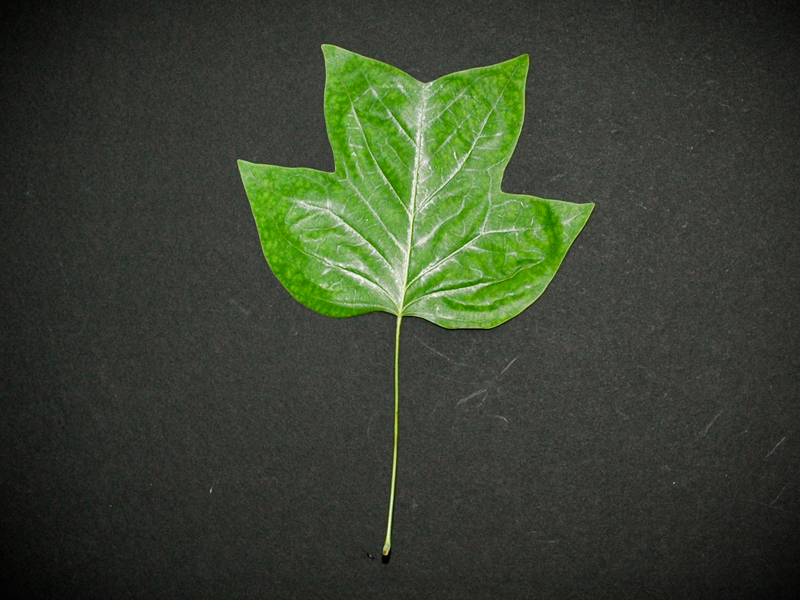
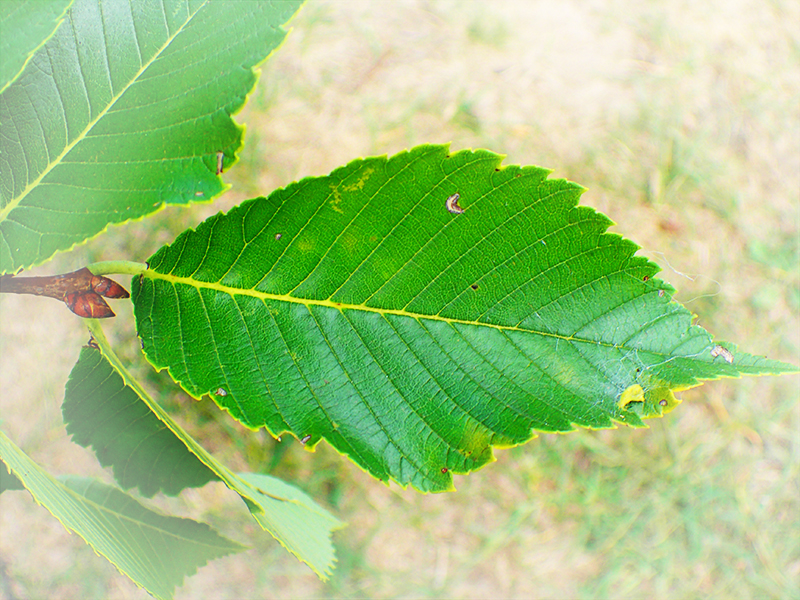
NON-NATIVE BUT NATURALIZED SPECIES
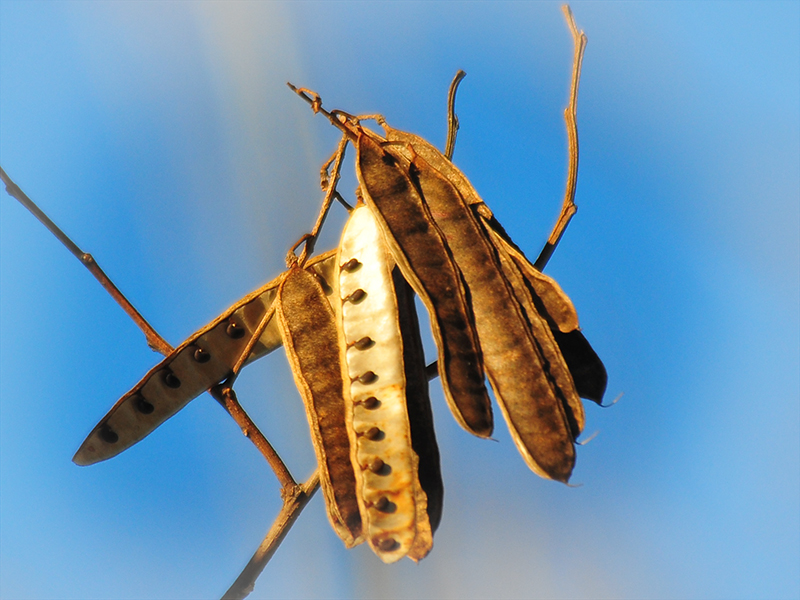
Native Trees
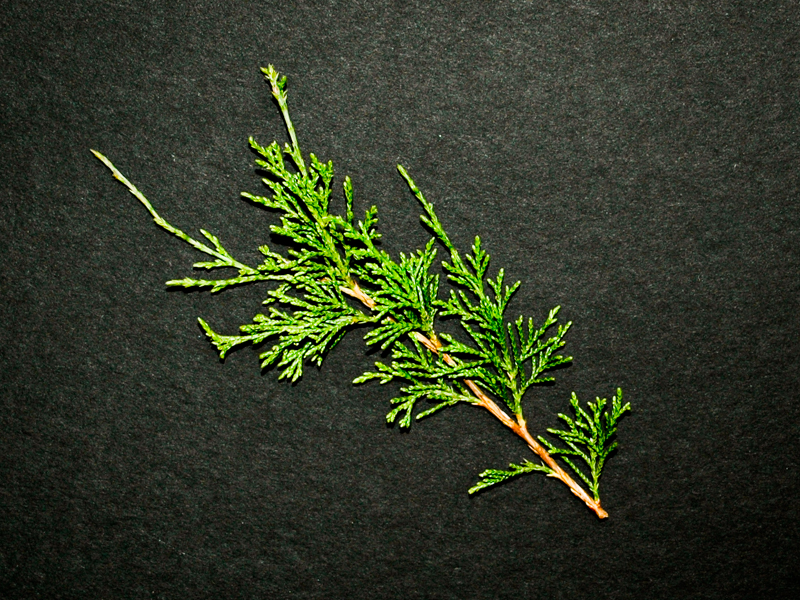
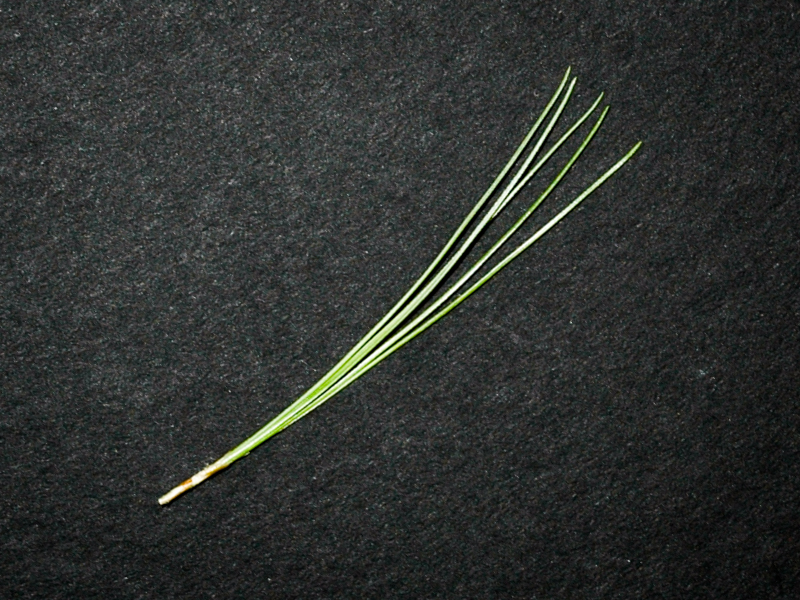
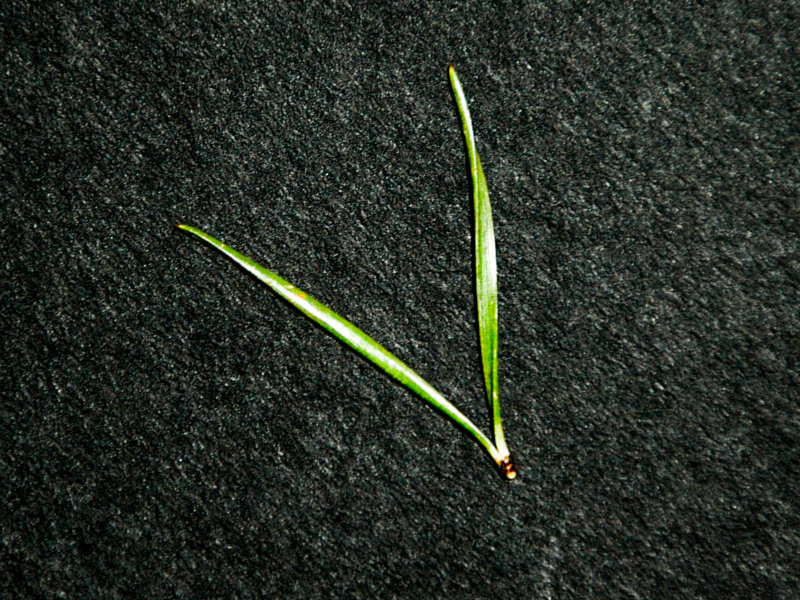
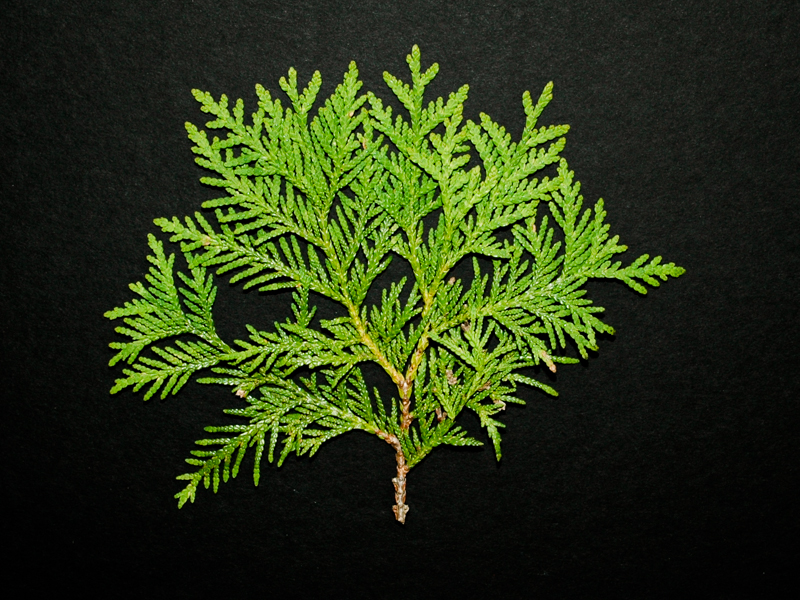
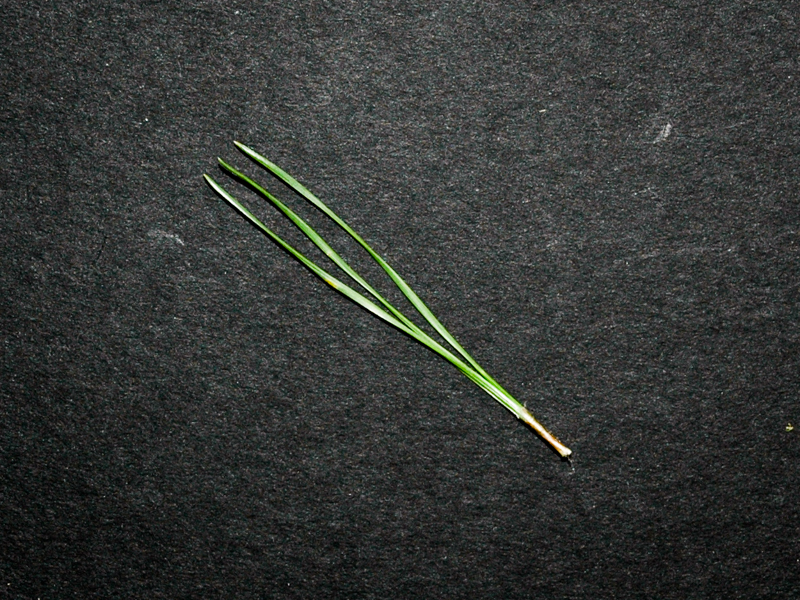
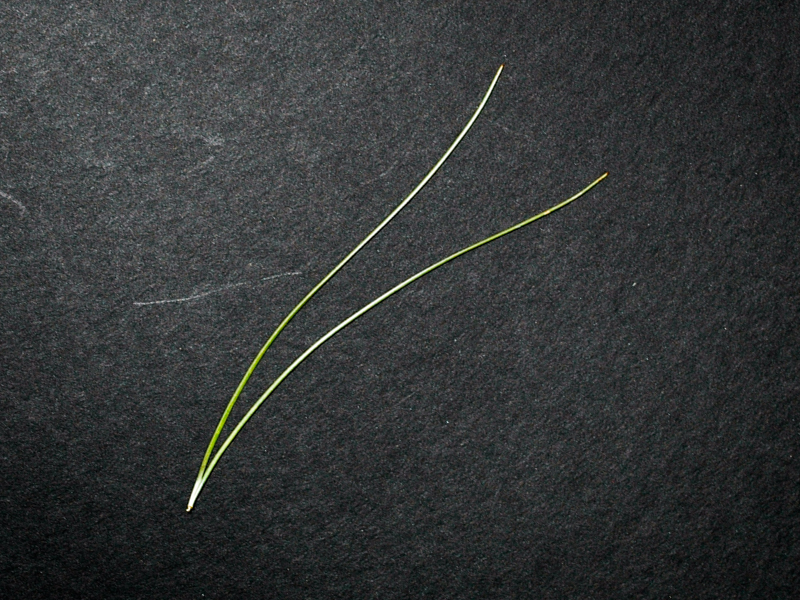
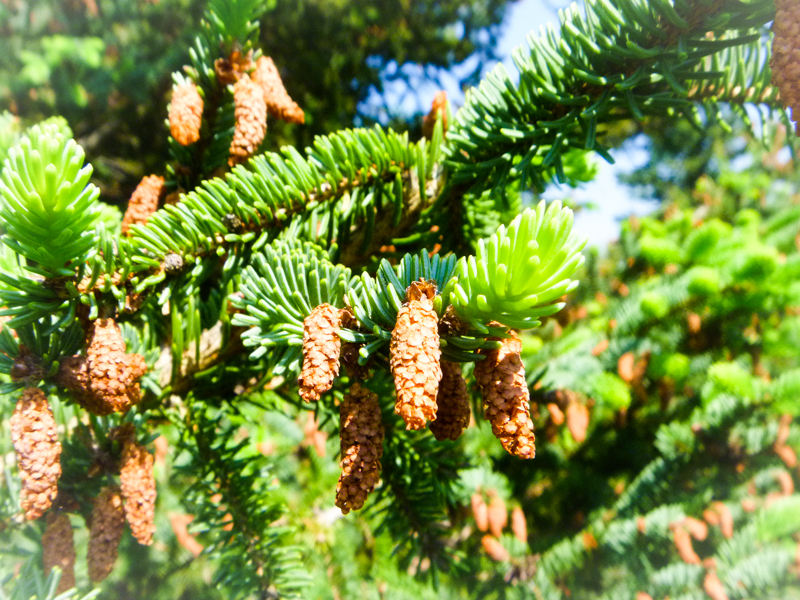
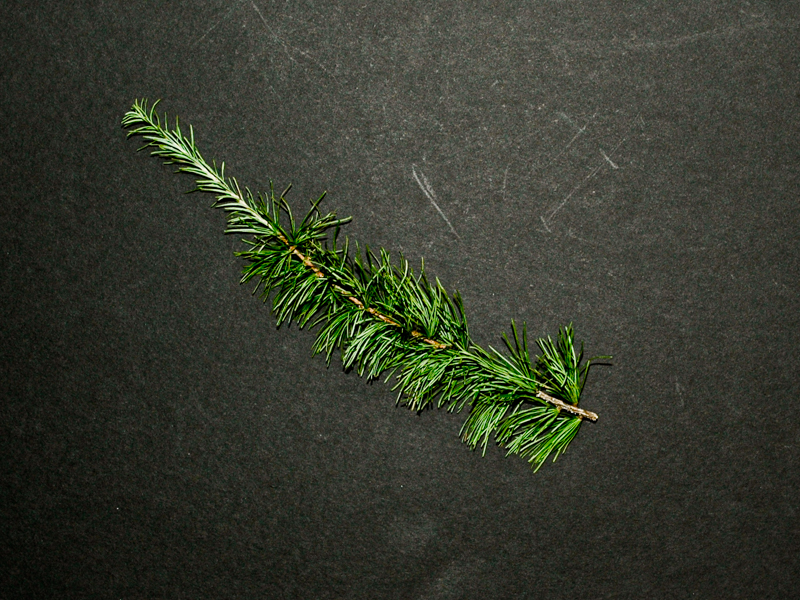
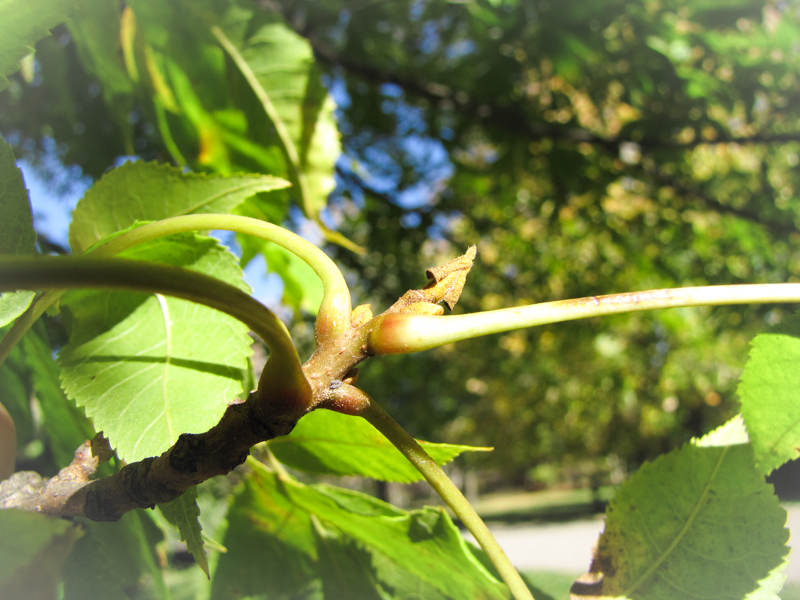
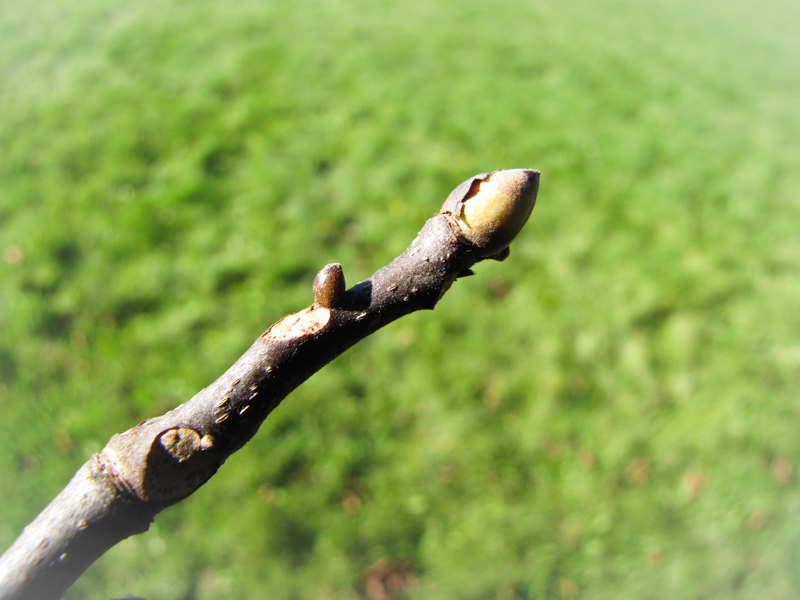
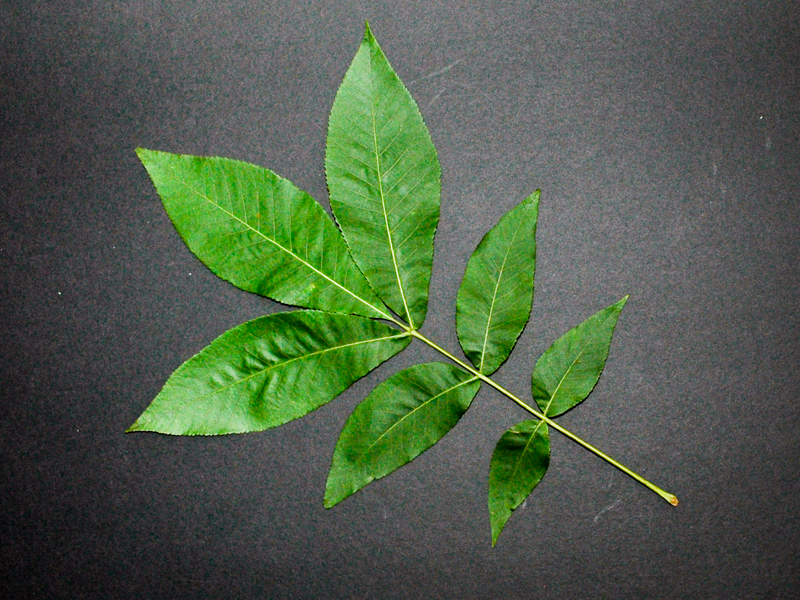
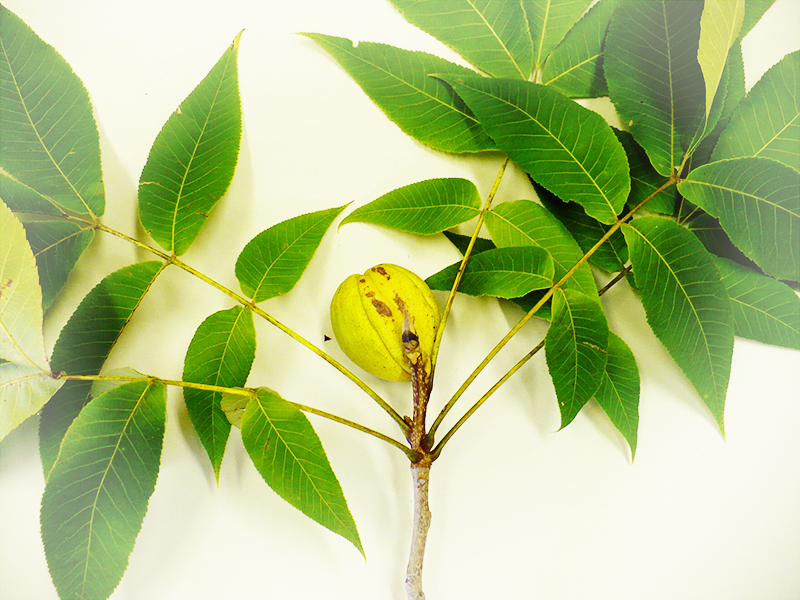
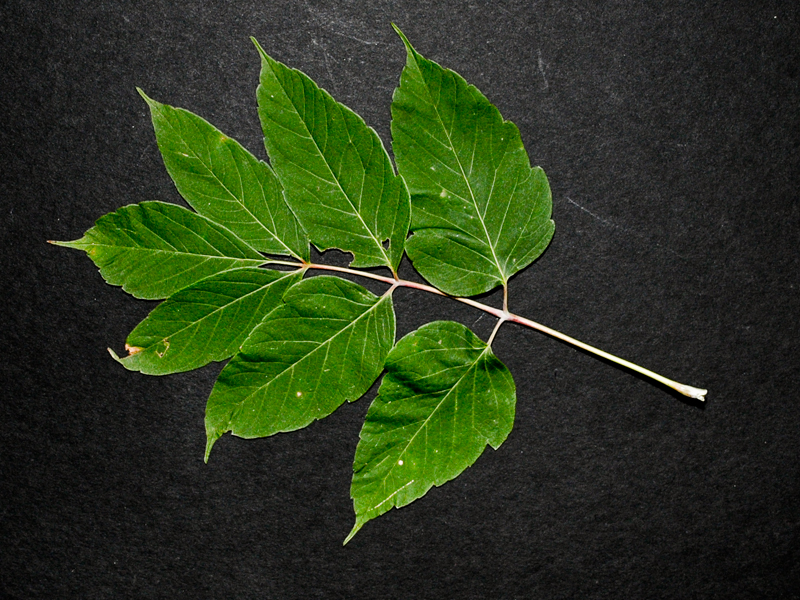
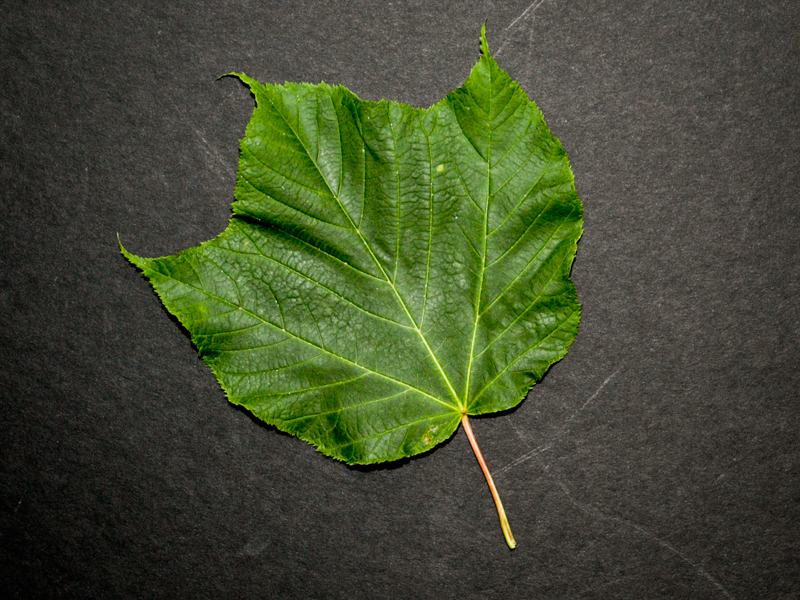
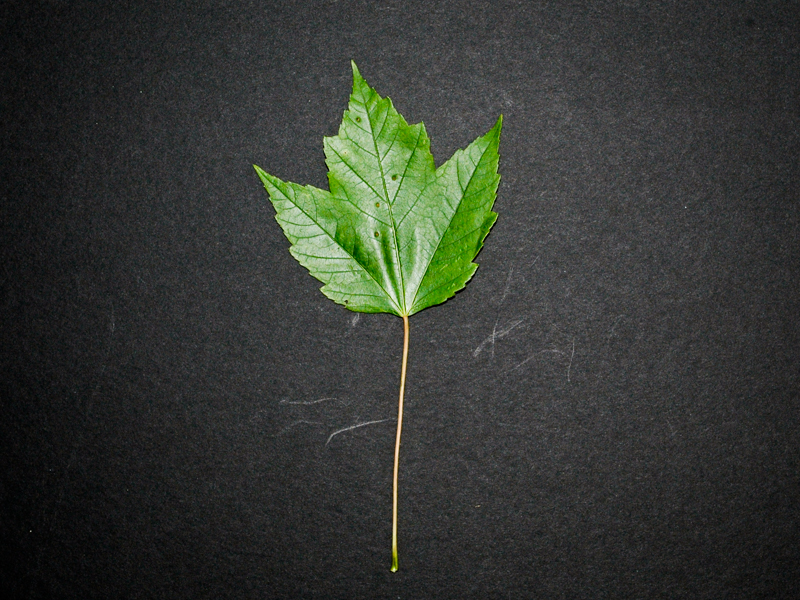
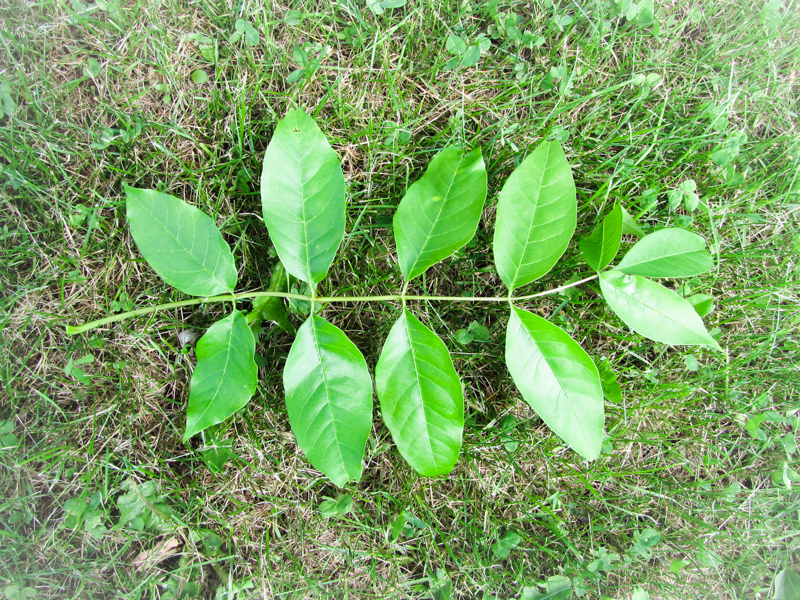
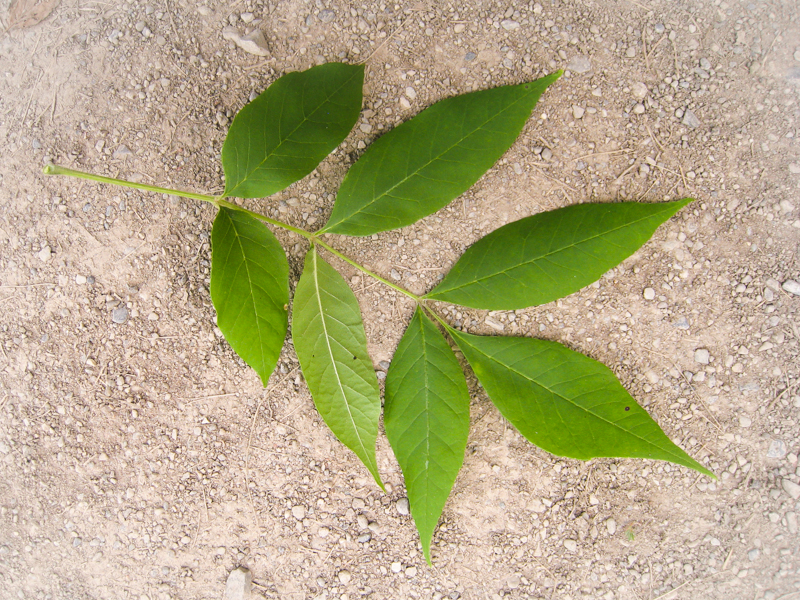
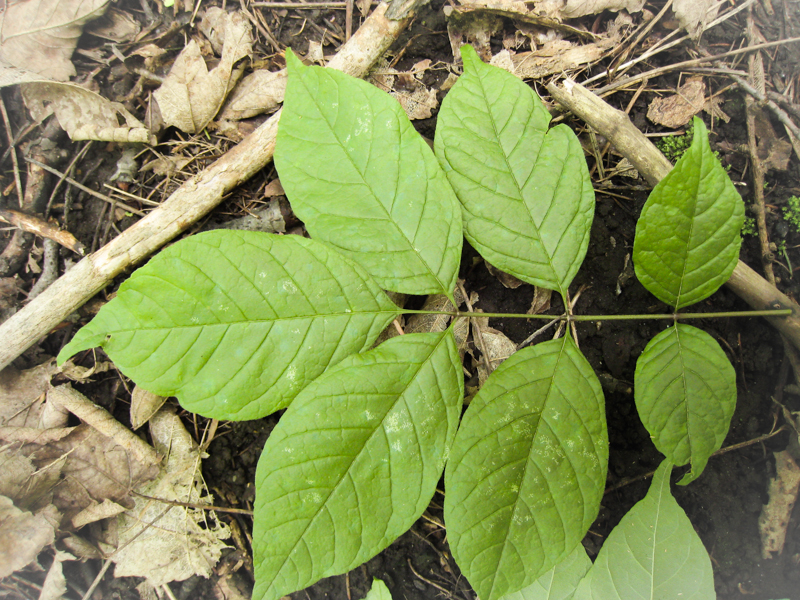
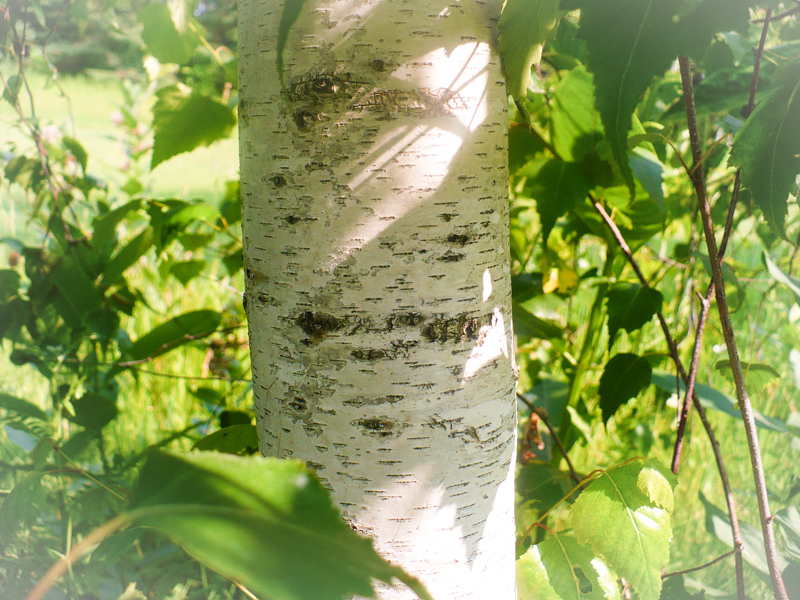
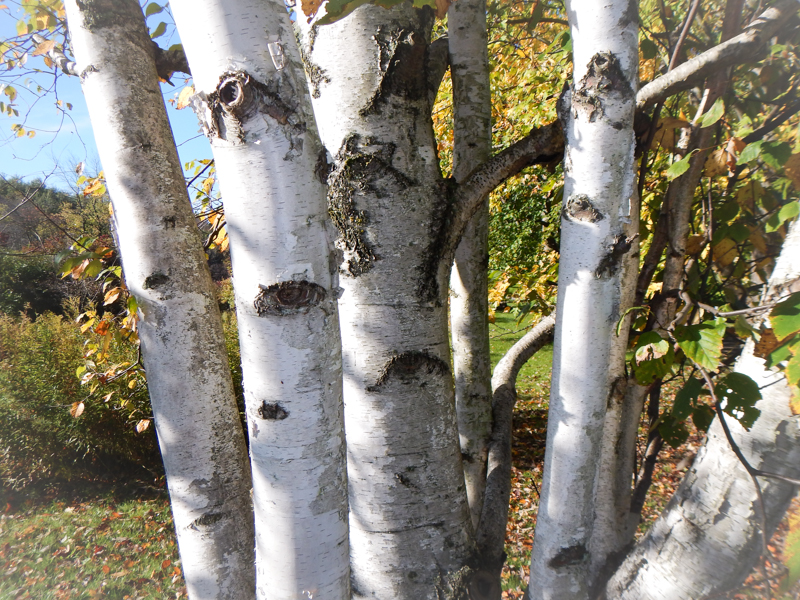
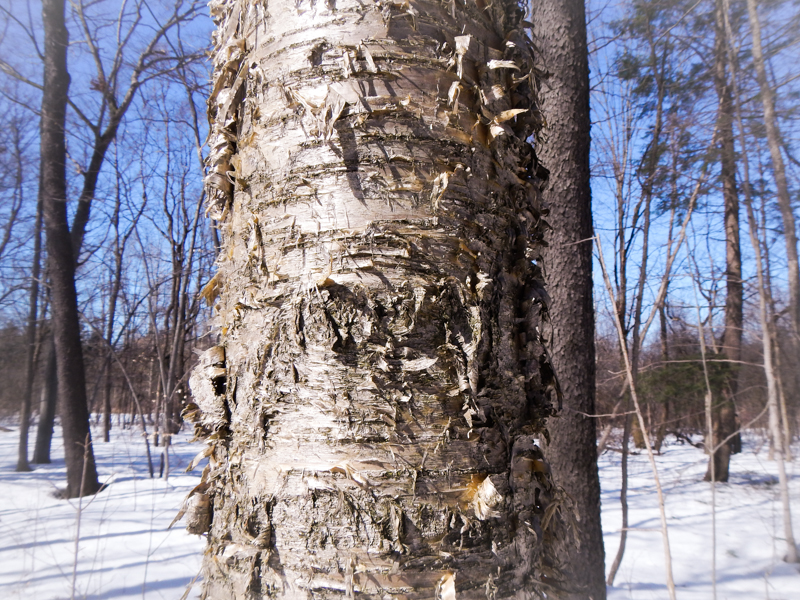
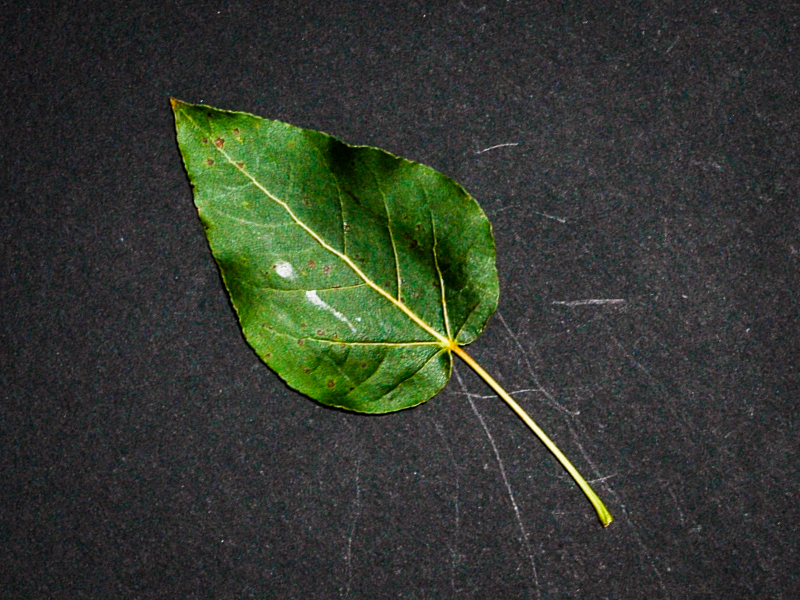
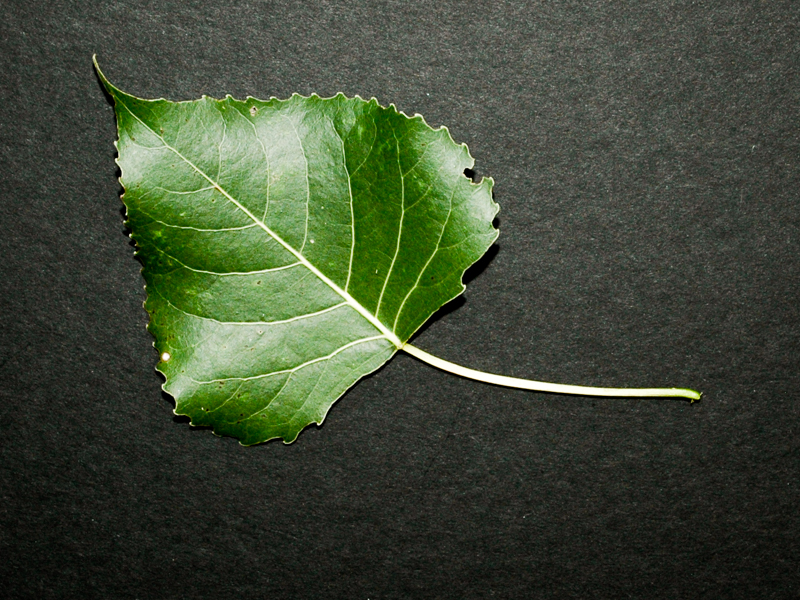
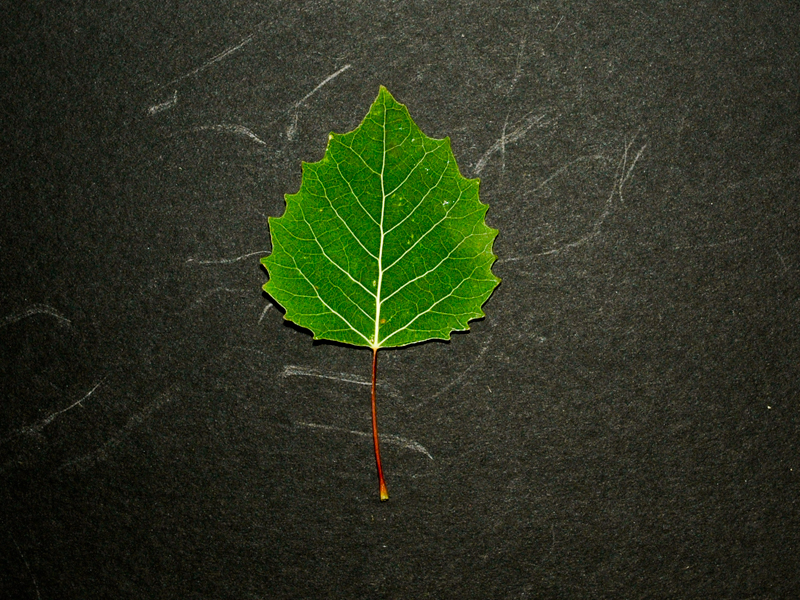
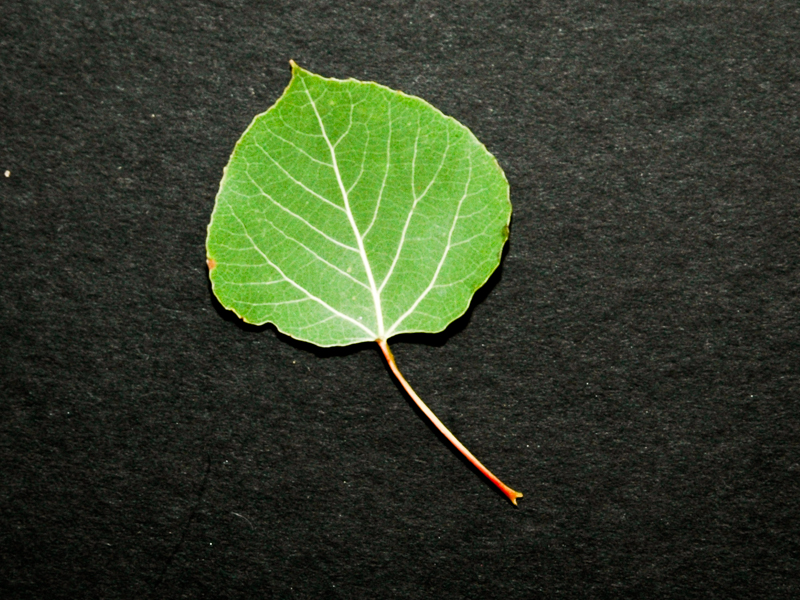
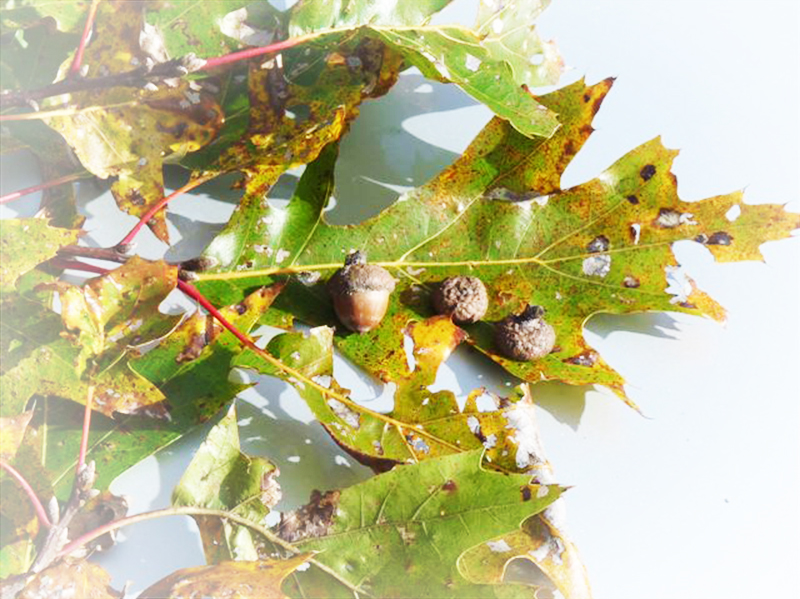
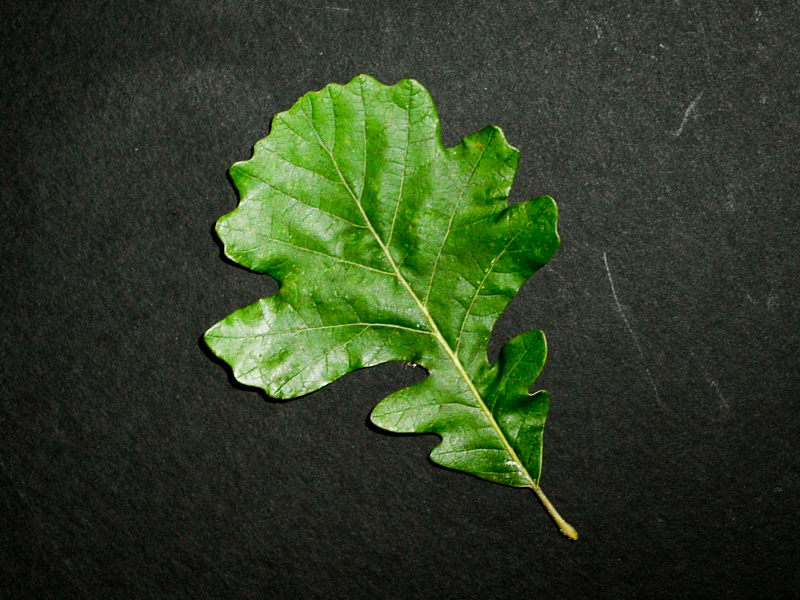
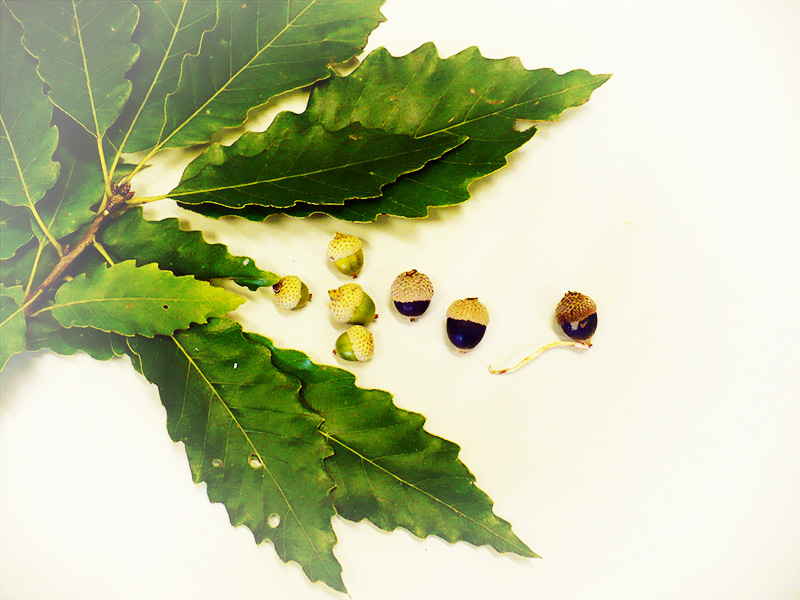
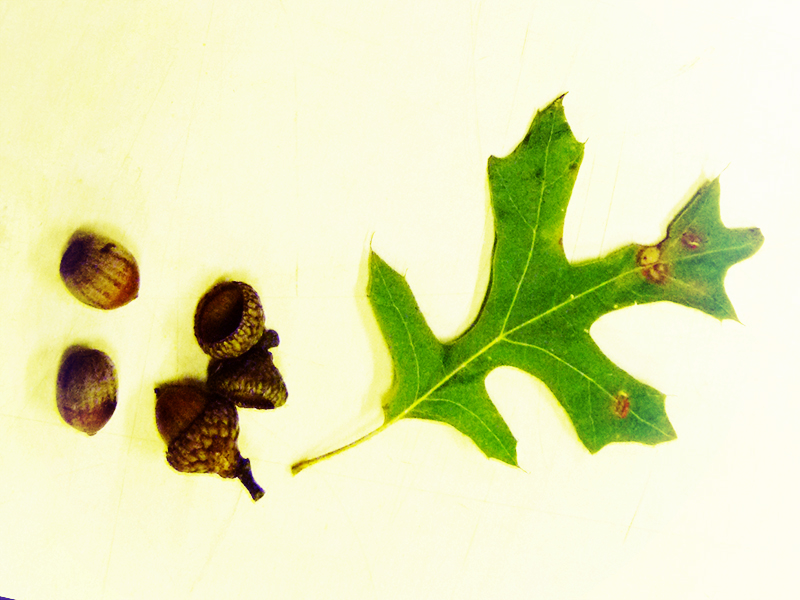
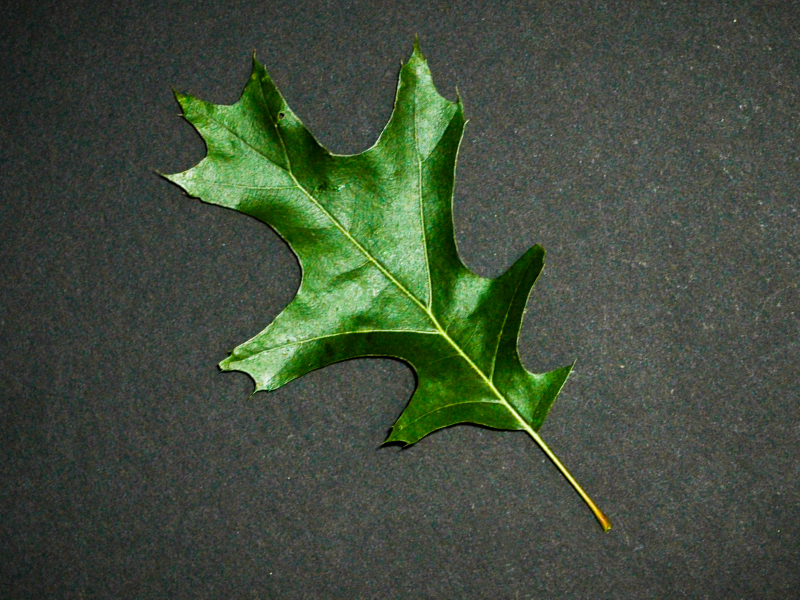
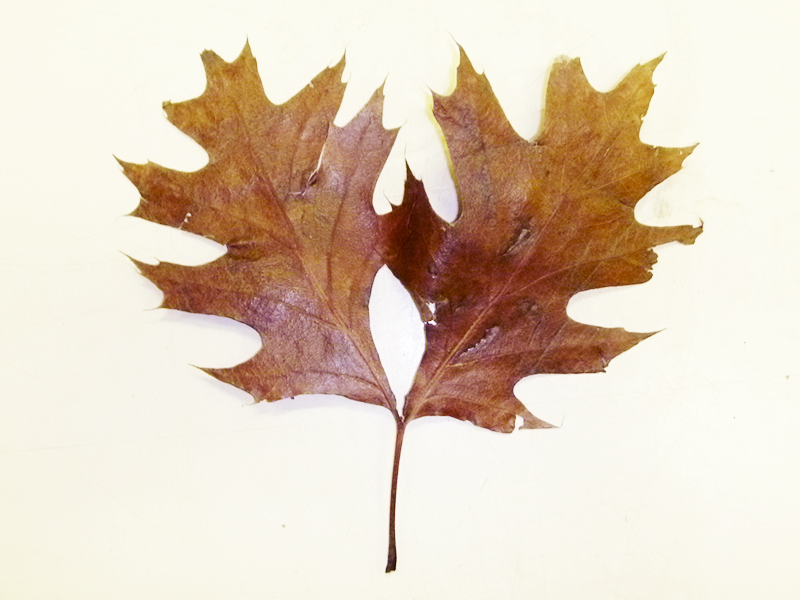
Our native tree species are the backbone of many different Ontario habitats. Each species account in the list below includes photos, identification information, natural history and cultural aspects of our leafy friends. We will continue to add species to the following list as accounts are completed. You can search for specific trees and plant collections in the Arboretum Explorer website.
Research
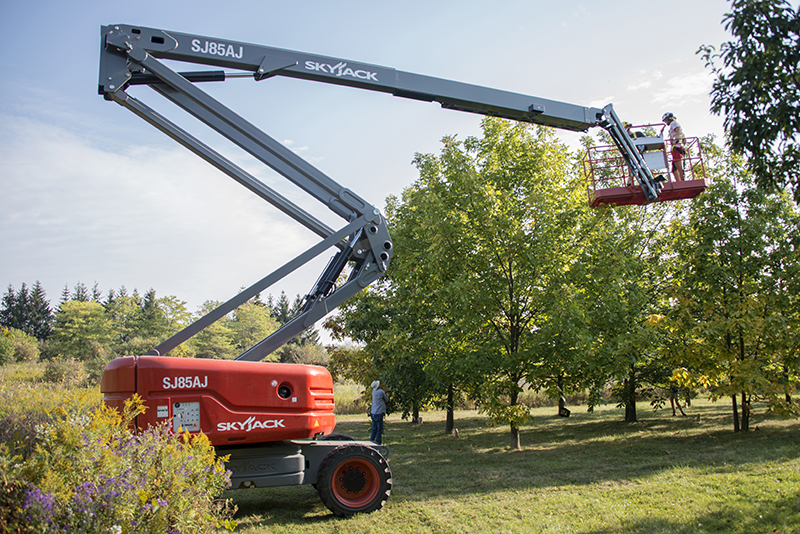
The Arboretum conducts its own research as well as provides a site for others to do research projects. We are studying elms to try to develop trees that are resistant to Dutch Elm Disease and yet are genetically diverse (Elm Recovery Project). We also have a gene bank of rare Ontario trees (Rare Woody Plants of Ontario). This means that we have trees, shrubs and vines here that have been grown from seed collected in wild sites in Ontario. The Arboretum is also in charge of the Ontario Tree Atlas Project which is a record of the distribution of trees in Ontario.
Workshops
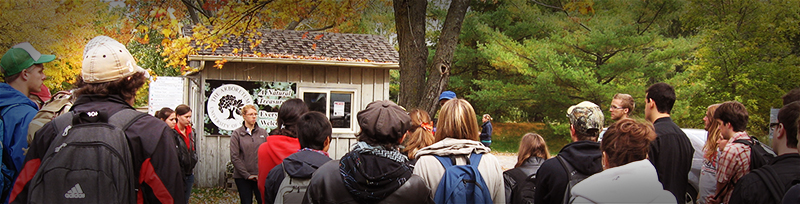
If you want to learn about trees, you may be interested in one of our courses. Please click here to go to our workshop page.
Pests
Many people try to contact us about tree pests, but the best place to go for that is the pest diagnostic clinic here at the University of Guelph. You can also try to identify your pest yourself by using this key developed by a University of Guelph graduate student.